Fix Shifting Problems Before They Worsen
Transmission Diagnostics and Repair in Columbia
Your transmission shifts gears to match your speed and driving conditions, and when it starts slipping between gears, delaying shifts, or making clunking noises, those symptoms signal internal problems that will only get worse if ignored. Drivers in Columbia often notice these issues during stop-and-go traffic on Two Notch Road or when merging onto Interstate 77, where smooth acceleration matters most. A transmission that hesitates or shifts hard doesn't just feel wrong—it puts stress on internal clutches, bands, and fluid systems that can lead to complete failure if left unaddressed.
T&G Auto Repair LLC uses diagnostic testing to identify transmission issues early and performs repairs designed to restore smooth shifting and reliable performance. We connect a diagnostic scanner to your vehicle's computer to read fault codes, then test the transmission's hydraulic pressure, fluid condition, and electronic controls to pinpoint the source of the problem. Once we know what's failing, we explain the findings clearly and recommend repairs that address the root cause, not just the symptoms.
If your transmission is slipping, delaying shifts, or showing warning lights, contact T&G Auto Repair LLC to schedule diagnostics in Columbia.
How We Test and Repair Your Transmission
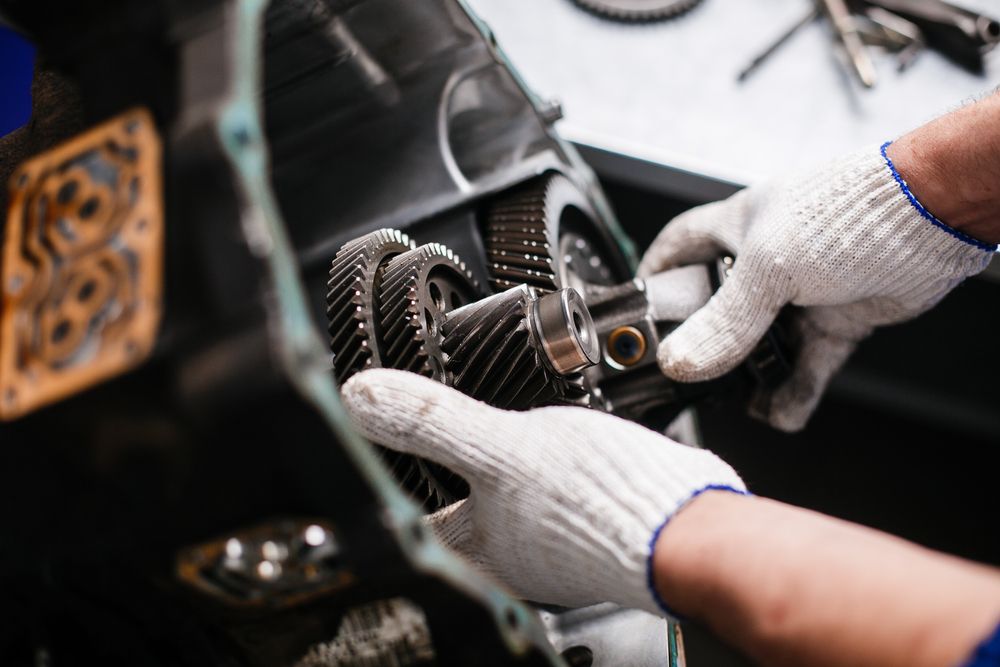
When you bring your vehicle to our shop in Columbia, we start by scanning for diagnostic trouble codes and taking a test drive to observe how the transmission behaves under normal driving conditions. We check the transmission fluid for color, smell, and contamination, then measure hydraulic pressure at multiple points to see if the internal pump and valve body are working correctly. If the fluid is burned or full of metal particles, that tells us the clutches or bands are wearing out internally.
After the service, your transmission should shift smoothly between gears without hesitation, clunking, or slipping. You'll notice improved acceleration, smoother transitions during stop-and-go driving around Columbia, and no more warning lights on your dashboard. Addressing transmission problems early helps prevent complete transmission failure, which is far more expensive and often requires a full rebuild or replacement.
We repair solenoids, valve bodies, seals, and external sensors that control shift timing and fluid flow. If internal damage is severe, we'll explain whether a rebuild or replacement is the better option based on your vehicle's age, mileage, and overall condition. Diagnostic testing doesn't include a full teardown, but it gives us enough information to recommend the right repair and avoid unnecessary work.
It's Normal to Have Questions About Transmission Work
These questions come up often when drivers in Columbia are deciding whether to schedule diagnostics or wait.
If your vehicle hesitates when shifting, slips out of gear, or shows a check engine light, T&G Auto Repair LLC can run diagnostics and explain what's happening inside your transmission before the problem leads to a breakdown. Call (803) 566-2431 or visit our contact page to schedule transmission diagnostics in Columbia.
